
The Role of Technology in the Engine of Visibility
Author’s note, August 2026: The original version of this piece listed every tool I could think of. This rewrite focuses on the principle instead – technology should connect your clarity to your execution and back again. The specific tools will change. The principle will not.
Technology does not create visibility. Strategy creates visibility. But technology is what lets you execute that strategy at scale, measure what happens, and adjust based on what you learn.
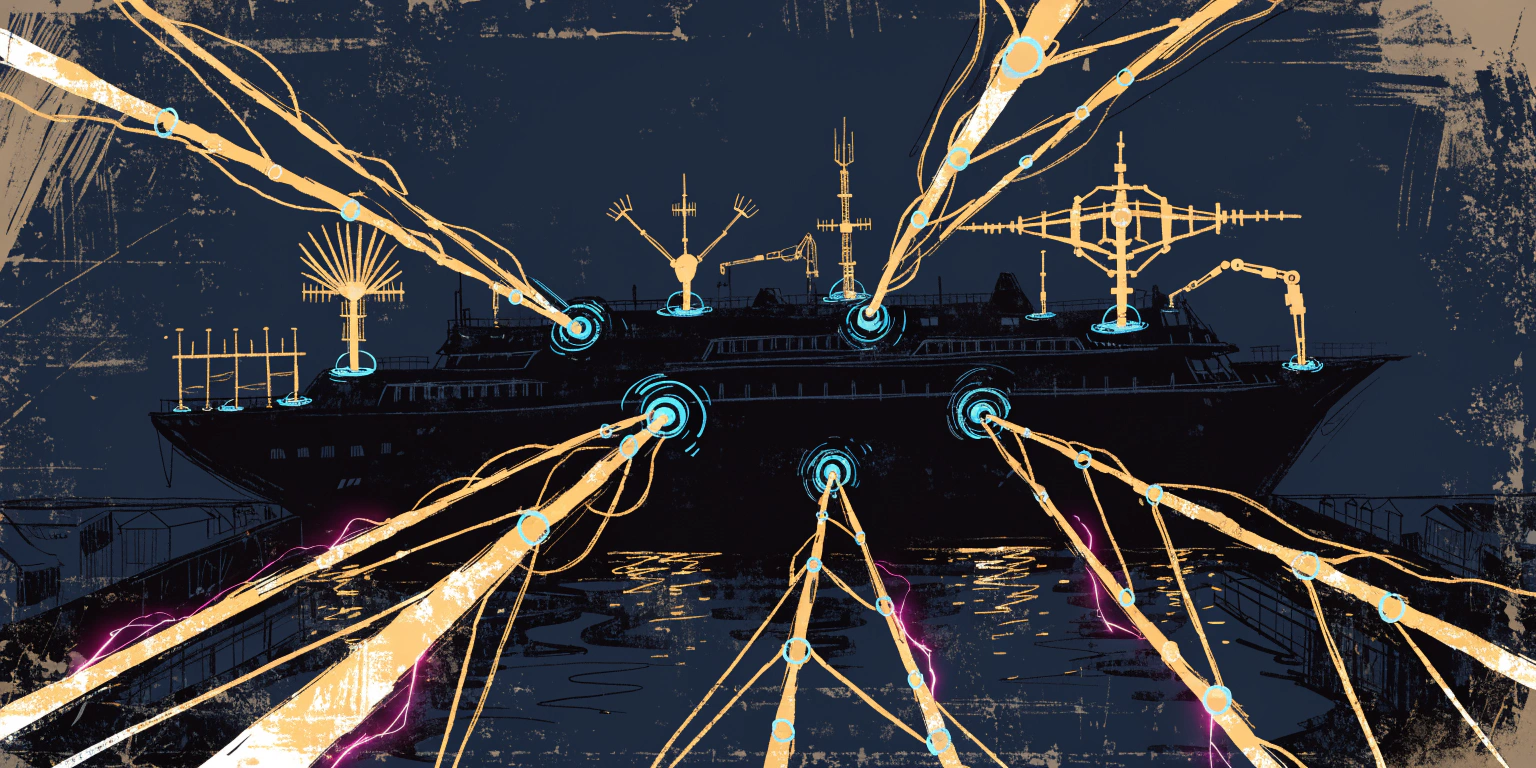
Inside the Engine of Visibility, technology serves three roles: it distributes your message, it tracks the response, and it feeds what you learn back into your strategy. When those three roles are connected, your growth system runs smoothly. When they are disconnected, you are guessing – and guessing gets expensive.
What Technology Actually Does in the Engine
The Growth Engineering Framework is built on clarity – knowing who you help, how you help them, and why it matters. Technology is what carries that clarity from your strategy documents into the real world.
It extends your reach without multiplying your effort. Automation handles the repetitive work – email sequences, follow-up reminders, social scheduling – so your team can focus on the work that requires human judgment. One person with the right systems can maintain a level of consistent communication that used to require a department.
It connects strategy to execution. A CRM does not just store contacts. It ensures that every customer interaction reflects your positioning and values. When your sales team, your support team, and your marketing team are all working from the same data, the customer experience feels coherent instead of fragmented.
It closes the feedback loop. Analytics platforms show you what is working and what is not. Heatmaps show you where people engage and where they drop off. Survey tools capture the qualitative insights that numbers alone cannot provide. This feedback is what keeps your strategy aligned with reality.
The Tools That Matter Most
Customer Relationship Management
Your CRM is the central nervous system of your visibility efforts. It tracks every interaction, segments your audience, and ensures that follow-ups happen on time and in context. Platforms like HighLevel combine CRM with automation and communication tools, reducing the number of disconnected systems your team needs to manage.
Analytics and Behavior Tracking
You need to know what happens after someone sees your message. Google Analytics tracks traffic and conversion paths. Microsoft Clarity adds heatmaps and session recordings that show you how people actually use your site – where they click, where they scroll, where they leave. Together, these tools turn your website from a brochure into a feedback mechanism.
SEO and Competitive Intelligence
Organic visibility is a long game, and it requires tools that help you understand where you stand. Keyword research, backlink analysis, site audits, and competitor monitoring give you the information you need to make smart decisions about where to invest your content efforts.
Content Creation
Consistent, professional content is the visible output of your Engine. Design tools that enforce brand standards – templates, color palettes, approved fonts – make it possible for multiple people to create content without drifting from your visual identity.
Marketing Automation
Automation is where efficiency meets personalization. Triggered sequences based on user behavior – a download, a page visit, a purchase – deliver the right message at the right time without manual intervention. The key is building these sequences thoughtfully, so they feel helpful rather than mechanical.
Feedback Collection
Surveys, forms, and in-app feedback tools capture the voice of your customer. The best feedback systems are integrated with your CRM so that what you learn flows directly into how you communicate – closing the loop between listening and acting.
Integration Is the Real Advantage
Individual tools are only as valuable as their connections. A CRM that does not share data with your analytics platform creates a blind spot. An email tool that does not sync with your customer database sends generic messages to people who deserve personal ones.
The goal is not to have the best tool in every category. The goal is to have tools that talk to each other – creating a unified flow of information from strategy through execution and back again. When that flow is unbroken, every piece of technology amplifies the others.
Common Mistakes to Avoid
Too many tools. Every new platform adds complexity. Before adding a tool, ask whether an existing one can do the job. Consolidation almost always beats accumulation.
Data without decisions. Tools generate data. But data without a decision-making process is noise. Define what you are measuring, why you are measuring it, and what you will do when the numbers move.
Automation without humanity. The point of automation is to free up human attention, not to replace it. The most important interactions – handling complaints, closing deals, onboarding new clients – still need a real person.
Technology is a Force Multiplier. It takes the clarity you have built and extends it further, faster, and more consistently than any team could do manually. But it only works when it is connected – to your strategy, to your data, and to the people you are trying to serve.