
The Power of Strategy: Why Long-Term Thinking Drives Sustainable Business Growth
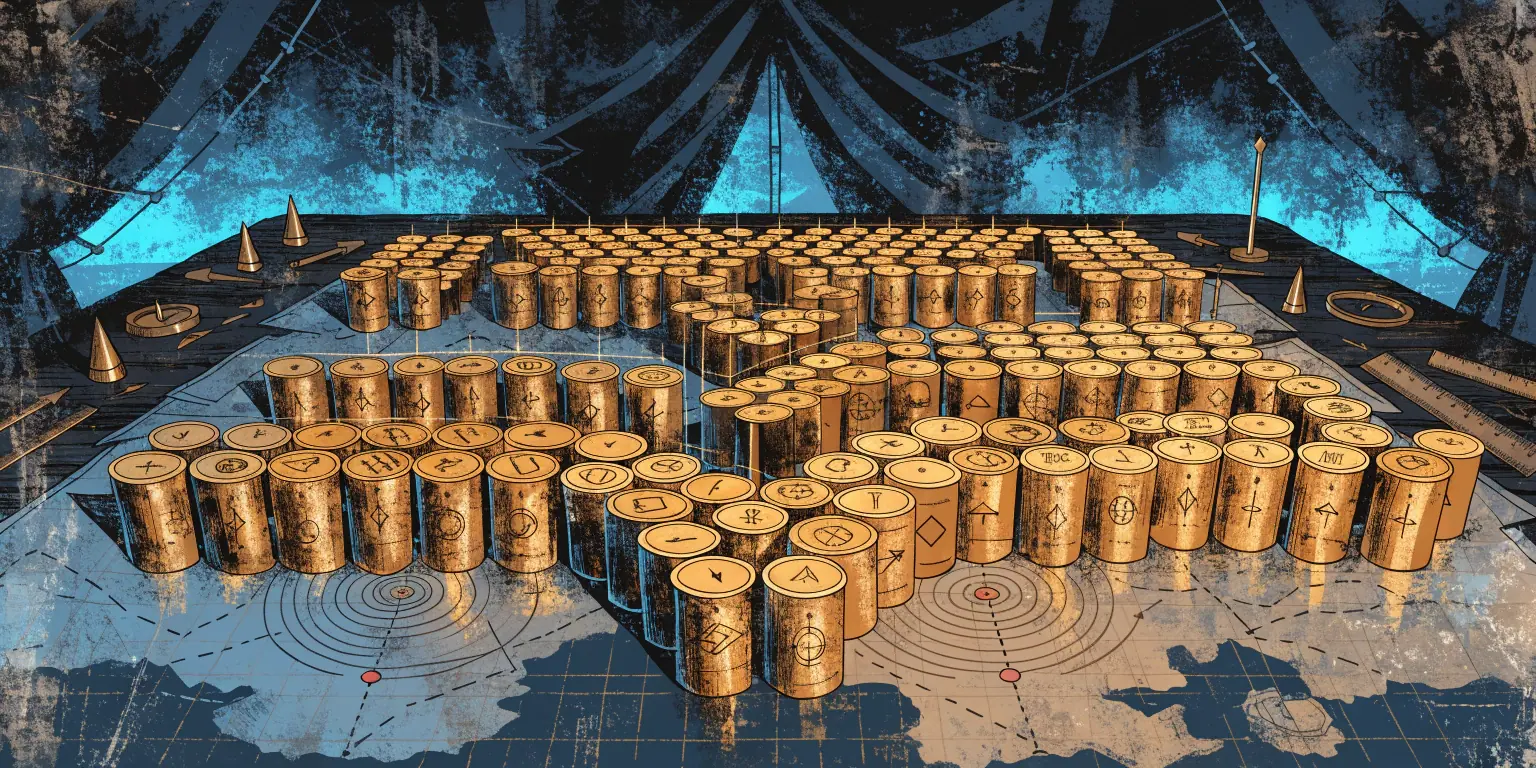
Author’s note, August 2026: This was one of the first posts I wrote about the difference between tactics and strategy. The distinction matters more than ever – especially now that AI makes tactics so easy to execute. The Authority Engine is built on the principle that strategy comes first.
The Tactics Trap
There is an enormous temptation in business to chase what works right now. Run a discount campaign. Launch a viral post. Pivot to the latest platform. These moves can produce quick wins – and that is exactly why they are dangerous.
Quick wins feel like progress. But stringing together a series of disconnected tactics does not build a business. It builds a treadmill. You have to keep running faster just to stay in the same place.
Real growth – the kind that compounds and sustains – comes from strategy. Not strategy as a PowerPoint deck that collects dust. Strategy as a living system that connects every effort to a clear direction.
What Strategy Actually Means
Tactics are short-term, action-oriented steps. Run this ad. Send this email. Post this content. They are necessary, but they are not sufficient.
Strategy is the overarching framework that answers why you are doing any of it. It defines your purpose, establishes your direction, and ensures that every tactic serves a larger goal. Inside the Growth Engineering Framework, this is the work of the Clarity Engine – answering the Three Questions, defining your Strategic Intent, and building the core that holds everything together.
The difference between tactics and strategy is the difference between activity and progress. Businesses that focus only on tactics often mistake motion for momentum.
Why Strategy Creates Predictable Growth
Strategy creates alignment. When everyone in your organization works from a shared understanding of who you serve, how you help, and why it matters, effort compounds instead of scattering. Teams stop pulling in different directions and start reinforcing each other.
Strategy enables scale. Tactics are hard to replicate. A great campaign is a one-time win. A great strategy is a system that produces wins repeatedly. When you invest in owned assets – email lists, subscriber relationships, loyal customer bases – you build channels that sustain themselves over time.
Strategy supports adaptability. This is the part most people miss. They think strategy is rigid. It is the opposite. A solid strategy is a compass, not a map. It tells you which direction to go while leaving room to navigate obstacles and seize opportunities along the way.
Force Multipliers: Doing More with Less
Force Multipliers are mechanisms that amplify the output of your existing work. They do not ask you to do more – they make what you already do work harder.
Automation streamlines repetitive tasks so your team can focus on high-value work. Personalization makes your messaging more relevant without increasing production effort. Retargeting re-engages people who already showed interest. AI tools help with analysis, segmentation, and content generation – as long as they serve the strategy, not replace it.
The key insight is that Force Multipliers only work when applied to a solid strategic foundation. Multiplying unfocused effort just creates more waste, faster.
The Role of Logistics
Strategy and tactics both fail without logistics – the systems and processes that deliver the right resources to the right place at the right time. In business, this means your team has the tools, data, and support they need to execute effectively.
Strong logistics include clear operational systems, reliable data flows from the Engine of Visibility, and owned assets that reduce your dependence on external platforms. When logistics are solid, your team stops scrambling to find what they need and starts focusing on the work that moves the needle.
Strategy First, Then Tactics
If your business feels stuck despite constant effort, the issue is almost never that you are not doing enough. It is usually that you are doing too much – without a strategy connecting it all.
Start with clarity. Define your direction. Build the systems that support it. Then let your tactics serve the strategy, not the other way around. That is how you build growth that does not depend on the next trend, the next platform, or the next lucky break.